
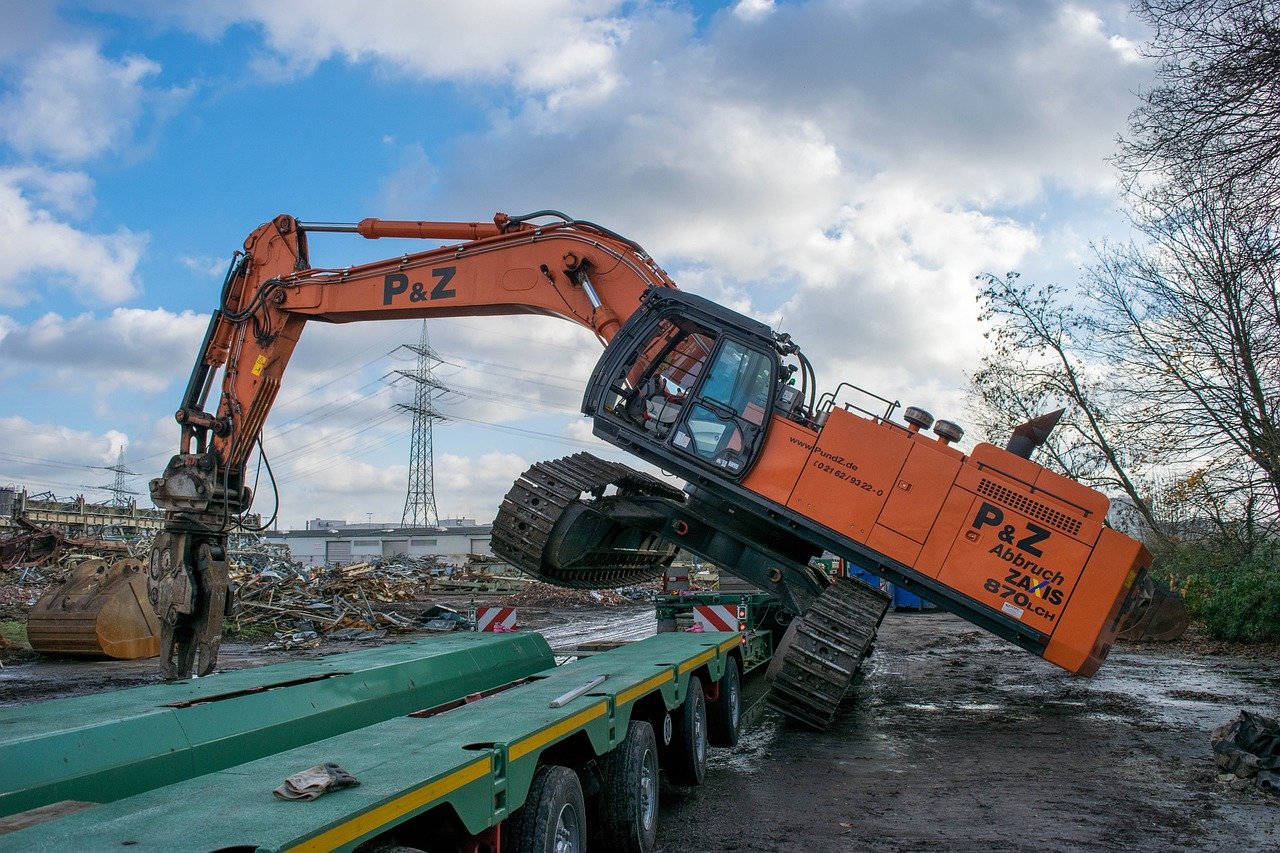
Moving an excavator is rarely “just call a truck.” The machine’s weight, track width, boom height, and whether it runs all change the trailer, the permits, and how long loading takes. If you searched heavy equipment transport near me because you need a digger off a jobsite this week, this guide is the shipper-side checklist—what you do before the hauler shows up so the quote is real and the load-out is smooth.
This is not a rewrite of our pricing overview. For dollars and what drives them, see How Much Does Heavy Equipment Transport Cost? (2026 Guide). Here we focus on how to prepare excavator for transport so that cost conversation starts from accurate specs.
Why prep beats “we’ll figure it out on site”
Excavators are awkward freight: high center of gravity when the boom is up, soft ground under tracks, and attachments that quietly push you over legal width. Carriers quote from the numbers and photos you send. Incomplete info usually means a re-quote at the gate, a different trailer, or a delayed load date.
A tight excavator shipping checklist protects you three ways:
- Safer loading — boom position, fluid leaks, and blocked access are how delays and damage claims start.
- Correct trailer match — compact units may ride a step deck or hotshot; taller tracked iron often needs an RGN (removable gooseneck). For a sister-brand deep dive on decks, see Logi Transports’ RGN vs step deck vs flatbed.
- Fewer permit surprises — oversize and overweight rules are state-driven once you leave the federal envelope. FHWA’s commercial vehicle size and weight overview explains the Interstate baselines (including 80,000 lb GVW and 102-inch width on the National Network). Height is largely a state call.
Step 1: Capture the specs the quote actually needs
Before you fill out a form, gather:
| Spec | What to record | Why it matters |
|---|---|---|
| Year / make / model | Plate or OEM plate photo | Matches known operating weights and deck needs |
| Operating weight | From plate or manual (include counterweight) | Trailer axle package and overweight risk |
| Length × width × height | Travel position, not “digging” position | Permits and bridge clearance |
| Runs / does not run | Battery, fuel, starting condition | Drive-on vs winch / crane |
| Attachments | Bucket, thumb, coupler, blade, quick hitch | Width, weight, and loose parts |
How to measure for travel. Lower the boom and curl the bucket (or remove it—see Step 2). Measure:
- Overall length tip of bucket or boom to rear counterweight
- Overall width track to track (or widest tire/outrigger) including any side-mounted lights or mirrors you leave on
- Overall height from ground to highest point with cab / ROPS and boom in the travel position
Do it twice. A three-inch miss on height can be the difference between a legal RGN move and a height-permitted corridor.
Photos that save a phone call. Send clear shots of each side, front, rear, the data plate, and any damage already present. If the unit is muddy, wipe the plate. Quote teams cannot invent a weight from a silhouette.
Step 2: Configure the machine for the highway, not the trench
An excavator shipping checklist is mostly about making the unit a stable, compact, non-leaking load.
Boom, stick, and bucket
- Place the boom and stick in the manufacturer’s recommended travel / transport position (usually low and tucked).
- Prefer a narrow bucket or remove the bucket if width is close to 8’6″ (102″). Wide ditching buckets and thumbs are common oversize triggers.
- If you ship the bucket separately, label it and note the extra piece on the quote—otherwise the driver arrives for “one excavator” and finds two lifts.
Loose and valuable parts
Remove or secure:
- Fire extinguishers, toolboxes, grease guns, and spare teeth that can walk off an open deck
- Aftermarket radios, GPS, and cameras if you prefer them not to ride open
- Keys: agree with the hauler whether keys stay with the machine or with the driver
Document serial numbers for high-value attachments in your own file.
Fluids, leaks, and batteries
- Top off or drain per the carrier’s preference, but do not leave active leaks. Diesel, hydraulic oil, and coolant on the deck create slip hazards and environmental issues.
- Secure battery cables if the unit will sit for days; confirm cold-weather starting expectations for winter moves.
- Empty water from tracks / undercarriage if you just finished wet digging—frozen mud adds weight and mess.
Tracks and undercarriage
Brush off large mud cakes. Extra dirt is weight you pay for and a mess the receiver will complain about. Check for missing track pads or pins that could fail during loading.
Step 3: Make the pickup (and delivery) site truck-ready
The best-prepared excavator still sits if the site cannot accept a lowboy.
Tell your specialist:
- Surface: asphalt, compacted gravel, or soft dirt / clay
- Access: gate width, overhead wires, trees, culverts, and turning radius for a tractor + RGN
- Approach: residential streets with low wires vs industrial yard
- Help on site: will someone be there who can operate the excavator? Is a spotter available?
- Timing: earliest load window and any blackout (HOA, city restrictions, jobsite hours)
If the machine is indoors or behind a locked compound, arrange unlock time. Soft ground may need mats or a firmer staging pad—flag that early so the quote can include a helper truck or crane instead of a surprise day-of failure.
Step 4: Paperwork and who is on the bill of lading
Have ready:
- Your name, company, billing email, and phone
- Exact pickup and delivery addresses (not just city names when possible)
- Any lienholder / auction release instructions
- Declared value conversation if the machine is high-value relative to standard cargo limits
When you compare haulers, you can also review public safety data. FMCSA publishes company safety records tools (including the SAFER Company Snapshot) so shippers can look up USDOT / MC numbers. Our matching site works with verified, insured providers; Logi Transports LLC operates under MC-1636889 and USDOT 4230991.
Permits for oversize or overweight moves are issued by the states along the route—not by FHWA as a single national permit. Accurate dimensions from Step 1 are what let a carrier pull the right paperwork the first time. FHWA’s oversize/overweight permit contacts page is a useful map of which state offices handle those applications.
Step 5: Day-of load checklist (shipper side)
Use this when the truck is en route:
- Unlock gates; clear the path of cars, pallets, and jobsite clutter.
- Have the operator (or arranged helper) on site 30–60 minutes early.
- Walk the machine with the driver: note existing dents, track wear, glass, and lights—photos both of you keep.
- Confirm boom position and that loose parts are off or strapped.
- Stay clear of the trailer during drive-on / winch-on; follow the driver’s signals.
- Get copies or photos of the bill of lading and any damage notation before the truck leaves.
- Share a delivery contact who can receive and inspect at the other end the same way.
If something changed since the quote (added thumb, different bucket, soft yard after rain), say so before the truck arrives—not after the neck is dropped.
Common shipper mistakes that inflate cost or delay pickup
- Guessing weight from memory instead of the plate
- Leaving a wide bucket on “because it’s always on the machine”
- No site contact when the driver has a short permit window
- Assuming any flatbed works for a tall tracked excavator
- Skipping photos and arguing later about pre-existing scratches
Avoid those, and you will spend less time renegotiating and more time watching the unit leave the yard.
How to ship an excavator with Heavy Equipment Transport Near Me
When you are ready to move from checklist to booking:
- Open the quote form on our homepage or go straight to Find a Hauler.
- Enter from/to locations, year-make-model, weight and dimensions, and whether it runs.
- Attach photos if the form allows, or email them after you submit.
- A licensed heavy equipment specialist matches trailer type and lane. For a broader look at what our network covers, see heavy equipment transport services.
Prefer voice or email? Call (864) 791-5644 or write quotes@logitransports.com. No deposit until your machine is loaded on the truck.
Quick reference: excavator shipping checklist
- Year, make, model, and operating weight from the plate
- L × W × H in travel position (measure twice)
- Runs / battery / known mechanical issues noted
- Boom tucked; wide bucket / thumb removed or disclosed
- Loose tools and valuables off the machine
- Leaks addressed; mud knocked down
- Site access, ground condition, and contact person confirmed
- Photos of all sides + plate + existing damage
- Pickup and delivery windows shared
- Quote requested with the specs above
Ready when you are
Knowing how to ship an excavator starts with preparation, not with hoping the first truck on the lot is the right one. Use this checklist, send honest measurements, and we will help you find heavy equipment transport near you that fits the iron—not a generic rate card.
Get your quote: heavyequipmenttransportnearme.com · (864) 791-5644 · quotes@logitransports.com
Leave a Reply